Inverted bob hairstyles create a distinctive silhouette by keeping the hair shorter at the back and gradually longer toward the front. This angled structure gives the haircut natural shape and movement while maintaining the recognizable elegance of a bob.
The cut can be tailored to different lengths, textures, and styling preferences. A sleek inverted bob emphasizes the precise angle, while waves create softer movement. Layers can add volume, bangs provide additional framing, and subtle highlights can make the graduation more noticeable. From polished and sophisticated to tousled and modern, these ideas offer versatile inspiration for an inverted bob.
The Graduated Shape That Keeps This Bob Interesting
The defining angle of an inverted bob creates visual movement without requiring excessive styling. The shorter back gives the haircut structure, while longer front sections create a flattering transition toward the face.
The degree of graduation can be customized to create either a subtle or dramatic effect. Hair texture also changes the final appearance, with straight strands emphasizing precision and waves or curls creating softer dimension.
Classic Inverted Bob
A classic inverted bob features a clean graduation from the shorter back toward longer front sections. The balanced angle creates a polished silhouette with plenty of natural structure.
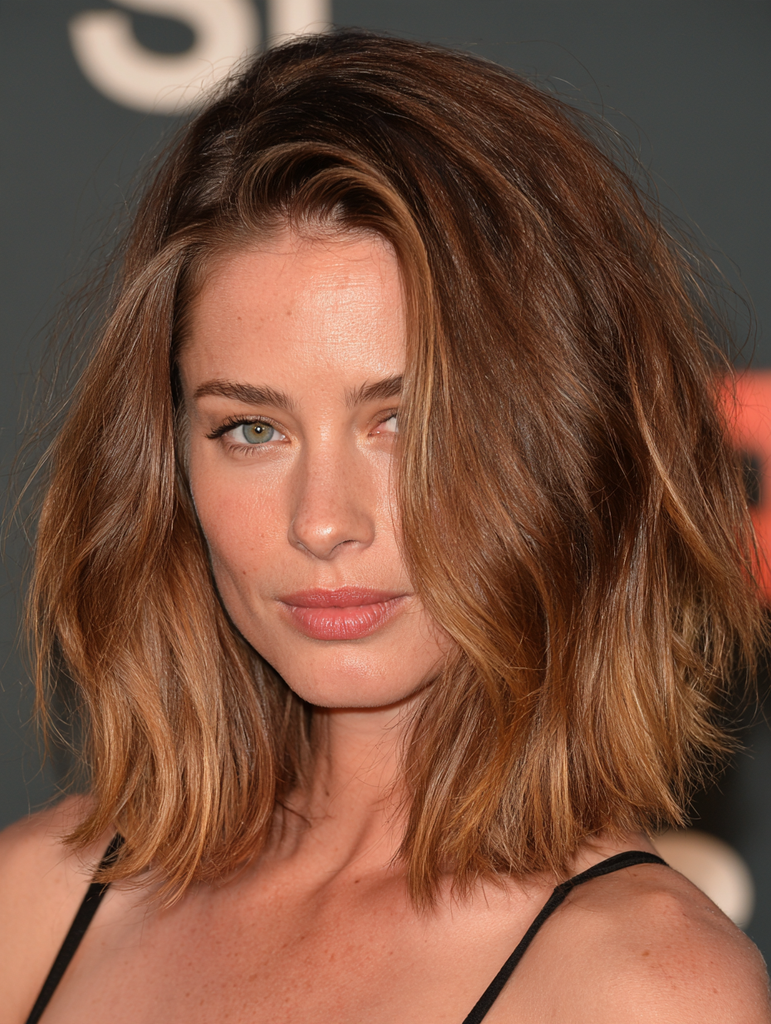
Apply smoothing cream to damp hair and blow-dry the back sections upward with a round brush. Smooth the longer front pieces toward the face. Finish with flexible hairspray to maintain the angled shape.
Sleek Inverted Bob
A sleek inverted bob emphasizes the precise graduation through smooth, straight styling. The clean finish makes the difference between the shorter back and longer front particularly noticeable.

Apply smoothing cream sparingly to damp hair and blow-dry with a paddle brush. Use a flat iron to refine the lengths if necessary. Finish with a small amount of lightweight serum.
Inverted Bob for Fine Hair
An inverted bob can give fine hair a fuller-looking silhouette by keeping the back shorter and creating controlled graduation. The longer front maintains a polished appearance.

Apply root-lifting mousse to damp hair and blow-dry the back upward using a round brush. Smooth the front sections toward the face. Finish with lightweight texture spray around the crown.
Inverted Bob for Thick Hair
Thick hair can benefit from the graduation of an inverted bob because the shorter back helps manage excess weight. Subtle internal shaping can make the haircut easier to maintain.

Apply smoothing mousse to damp hair and blow-dry with a paddle brush. Shape the back with a round brush while smoothing the longer front sections. Finish with lightweight styling cream through the ends.
Wavy Inverted Bob
Soft waves create a relaxed interpretation of the structured inverted bob. The texture softens the graduation while adding movement throughout the longer front sections.

Apply lightweight wave mousse to damp hair and scrunch gently. Diffuse on low heat or create loose bends with a curling wand. Separate the waves with your fingers and finish with flexible texture spray.
Inverted Bob with Curtain Bangs
Curtain bangs soften the angular shape of an inverted bob while creating gentle movement around the forehead. The longer fringe can blend naturally into the front sections.

Create a center part and apply lightweight volumizing mousse. Blow-dry each side of the fringe outward using a small round brush. Shape the longer bob sections and finish with flexible hairspray.
Inverted Bob with Side-Swept Bangs
Side-swept bangs create a diagonal element that complements the angled shape of an inverted bob. The fringe can gradually merge into the longer side.

Create a side part while the hair is damp and apply lightweight mousse. Blow-dry the fringe across the forehead using a round brush. Smooth the longer sections and finish with flexible spray.
Short Inverted Bob
A short inverted bob makes the graduation especially noticeable by keeping the back close to the nape while allowing the front to extend toward the jaw.

Apply volumizing mousse to damp roots and blow-dry the shorter back upward. Shape the front with a round brush, directing it toward the face. Finish with lightweight hairspray for flexible hold.
Long Inverted Bob
A long inverted bob provides more length through the front while retaining a shorter, graduated back. The result offers versatility without losing the defining angled shape.

Apply smoothing cream to damp hair and blow-dry with a paddle brush. Create a gentle curve through the longer front pieces using a round brush. Finish with lightweight serum for shine.
Layered Inverted Bob
Subtle layers add movement to the graduated structure while preventing the haircut from feeling overly rigid. The layers can be concentrated through the crown and longer front.

Apply volumizing mousse to damp roots and blow-dry while lifting the crown. Shape the layers outward with a round brush. Finish with lightweight texture spray to emphasize the movement.
Choppy Inverted Bob
Choppy ends give the precise inverted bob a more relaxed, contemporary appearance. The uneven texture creates separation while the angled silhouette remains clearly visible.

Apply texturizing mousse to damp hair and rough-dry while lifting the roots. Once dry, use matte styling paste on selected ends. Finish with flexible texture spray for a deliberately tousled effect.
Asymmetrical Inverted Bob
An asymmetrical inverted bob combines graduation with uneven front lengths for a distinctive silhouette. One side can remain noticeably longer, creating additional visual contrast.

Apply smoothing mousse to damp hair and blow-dry the shorter side close to the head. Shape the longer side toward the face with a round brush. Finish with lightweight styling cream.
Curly Inverted Bob
A curly inverted bob allows natural curls to soften the strong graduation while creating volume through the shorter back. Proper shaping helps maintain balance throughout the haircut.

Apply curl cream to damp hair and scrunch upward. Diffuse gently on low heat while lifting the roots. Once dry, separate selected curls with your fingertips and finish with lightweight curl-defining cream.
Inverted Bob with Highlights
Highlights can emphasize the different lengths within an inverted bob by adding dimension to the graduated sections. Softly blended lighter pieces make the angle more noticeable.

Apply volumizing mousse to damp roots and blow-dry smoothly. Add gentle bends through the longer sections to reveal the dimensional color. Finish with lightweight styling cream or serum.
Stacked Inverted Bob
A stacked inverted bob combines strong graduation at the back with longer front pieces. The stacked layers create additional volume around the crown while maintaining the signature angled silhouette.

Apply root-lifting mousse to damp hair and blow-dry the stacked back sections upward. Shape the longer front pieces with a round brush. Finish with flexible hairspray to preserve the graduated structure.
Creating the Right Direction and Definition
Begin with damp hair and apply a lightweight product suited to your texture. Volumizing mousse can create lift through the shorter back, while smoothing cream helps maintain a sleek finish.
Blow-dry the back sections upward with a round brush before shaping the longer front pieces. Curve them inward for a classic appearance or add loose waves for softer movement. Finish with lightweight serum or flexible hairspray, depending on your desired finish.
Finding Your Inverted Bob
An inverted bob can range from subtly graduated to dramatically angled. A shorter back creates a stronger contrast, while a longer front provides more styling versatility. Layers can add movement, and bangs can soften or emphasize the overall shape.
Fine hair can benefit from a controlled graduated structure, while thick hair may require internal weight removal. Straight hair highlights the precision of the cut, whereas waves and curls soften the angles. Would you choose a sleek classic version, a soft wavy bob, or a bold asymmetrical shape?
