Thick hair offers plenty of natural volume, but managing that abundance can sometimes make everyday styling feel time-consuming. The right haircut can remove unnecessary weight, encourage natural movement, and make your routine much easier without sacrificing style. Low maintenance hairstyles are especially useful when you want a polished appearance without spending a long time with hot tools.
From short textured cuts to easy medium-length styles, there are many ways to work with thick hair instead of constantly fighting it. These hairstyles are designed to keep your natural fullness looking intentional while reducing daily styling effort.
Effortless Styles That Keep Their Appeal
Low maintenance hairstyles remain popular because they fit naturally into busy routines while still looking polished. Thick hair often needs strategic shaping rather than extensive styling, and a well-designed cut can do much of the work on its own.
The best options usually include thoughtful layers, manageable lengths, or naturally textured finishes. These details help distribute bulk, encourage movement, and make the hair easier to wash, dry, and style. With the right cut, thick hair can look beautiful even when your routine stays refreshingly simple.
Textured Pixie Cut
A textured pixie cut makes thick hair significantly easier to manage while giving the style a lively, modern shape. Shorter sides reduce bulk, while textured crown layers allow natural volume to remain controlled. The uneven finish creates movement without requiring extensive daily styling.
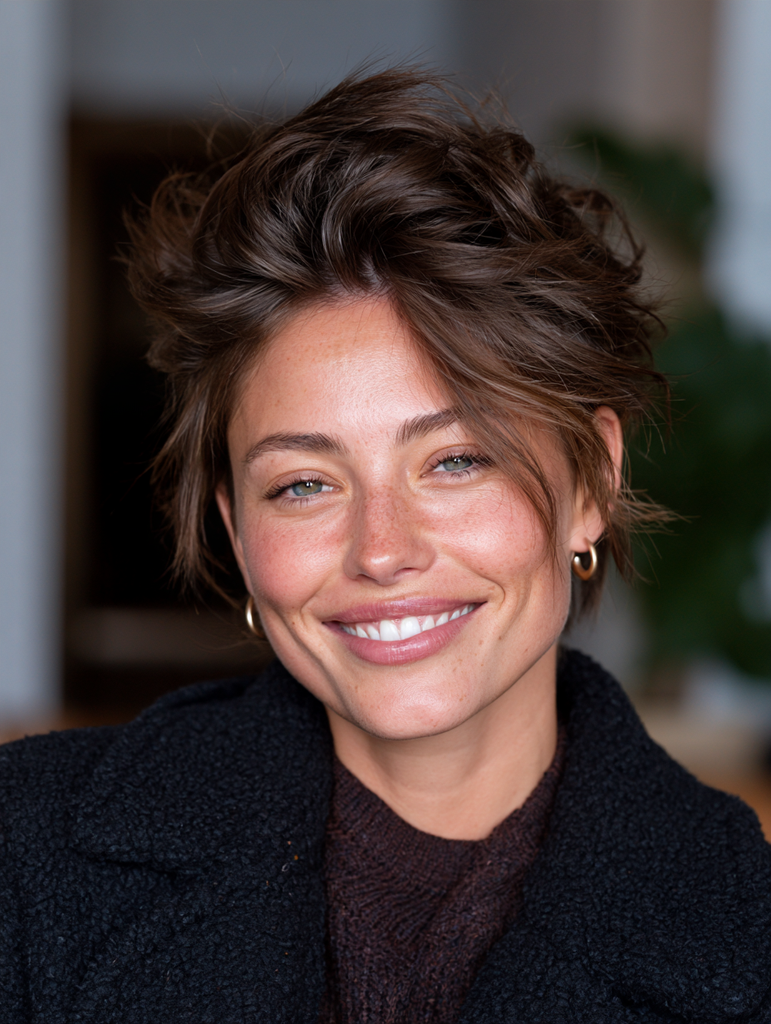
Thick hair often holds its shape naturally, which makes this haircut especially practical. Apply a small amount of styling cream after washing and use your fingers to arrange the layers. The result can look polished, tousled, or slightly edgy depending on how you finish it.
Shoulder-Length Layered Cut
A shoulder-length layered cut distributes thick hair evenly while preserving enough length for versatility. Long layers remove excess weight without making the ends appear too thin, while face-framing pieces create movement around the cheeks. The balanced shape makes the hair easier to handle.
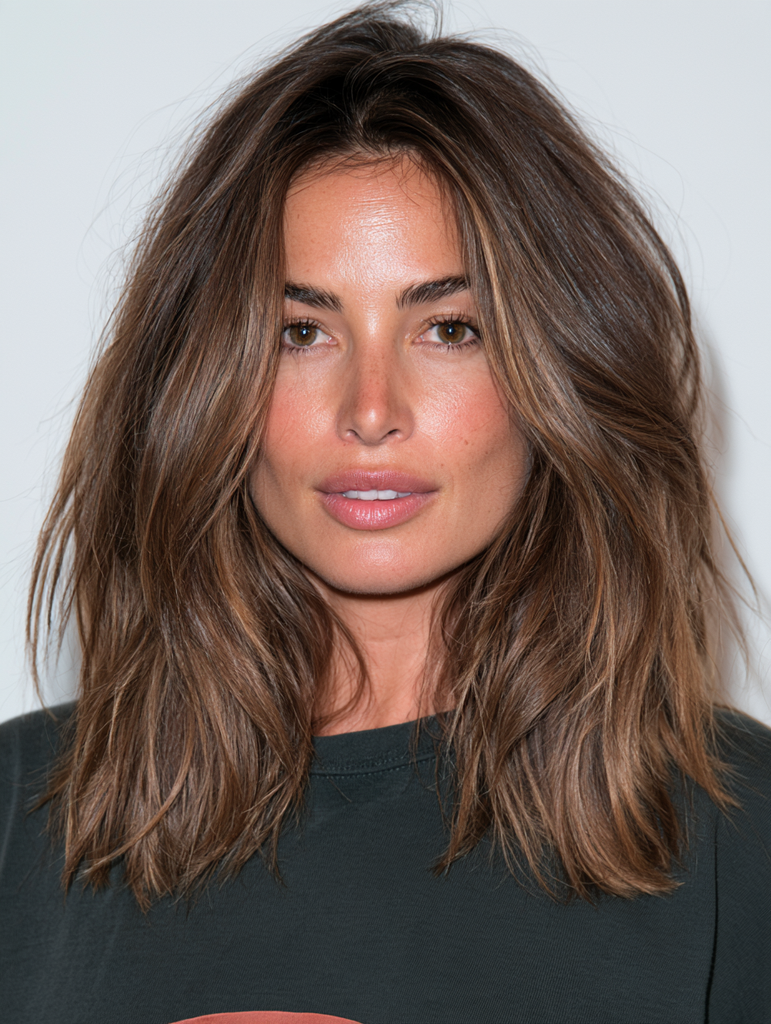
Women who prefer simple routines can let this haircut air-dry naturally or use a quick blow-dry for added polish. A lightweight smoothing cream helps control frizz while maintaining movement. Soft waves can also be created naturally by twisting damp sections before they dry.
Long Layers with Face Framing
Long layers provide an easy solution for thick hair because they remove weight without dramatically changing the overall length. Face-framing sections soften the front while gradually blending into longer layers. This creates movement throughout the hair and prevents a heavy, triangular silhouette.

The beauty of this haircut is how little daily effort it requires. Thick strands naturally support the layered shape, so you can often air-dry and go. For extra polish, apply a smoothing serum to the ends and gently shape the front pieces with your fingers.
Blunt Lob
A blunt lob gives thick hair a clean, sophisticated shape while keeping the length manageable. The strong perimeter creates structure, while the medium length reduces the weight associated with longer, denser hair. Subtle internal shaping can prevent the haircut from feeling overly bulky.

This style works particularly well for anyone who wants an easy haircut that still looks polished. Air-drying produces a relaxed finish, while a quick pass with a flat iron creates sleekness. A lightweight anti-frizz product can keep the ends smooth without flattening the natural body.
Short Shag
A short shag works beautifully with thick hair because its layered structure naturally distributes excess weight. Choppy crown layers create movement, while shorter sections around the face keep the overall shape light. The deliberately textured finish means minor imperfections can actually enhance the style.

Thick hair often provides enough natural volume to support this haircut without much styling. Apply mousse to damp strands and scrunch gently before air-drying. If needed, use your fingers to separate a few sections around the crown and fringe for additional definition.
Layered Bob
A layered bob reduces the bulk of thick hair while maintaining a structured and flattering silhouette. Shorter layers through the interior create movement, while the outer shape remains clean and controlled. This combination prevents the hair from looking overly dense or boxy.

For an especially easy routine, apply a lightweight styling cream to damp hair and let it dry naturally. Thick strands usually hold the layers well without needing much assistance. A quick touch with a round brush around the front can create additional softness when desired.
Long Curtain Layers
Long curtain layers offer a subtle way to reshape thick hair without sacrificing significant length. The front layers open around the face, while longer sections blend gradually into the rest of the hair. This reduces heaviness around the front and creates gentle movement.

The style is particularly convenient because the layers can blend naturally as the hair grows. Use a small amount of smoothing cream after washing, then allow the lengths to air-dry. If you want extra shape, direct the front sections away from the face while drying.
Tapered Shoulder Cut
A tapered shoulder cut gradually reduces thickness toward the ends, creating a lighter silhouette without removing too much length. The controlled shape prevents dense hair from appearing overly wide while maintaining enough fullness to look healthy. Subtle layers can further enhance natural movement.

This haircut requires very little daily attention because its structure works with the natural density of thick strands. After washing, apply a leave-in conditioner and gently comb through the lengths. Let the hair air-dry, or use a diffuser if you want to encourage natural waves.
Textured Chin-Length Bob
A textured chin-length bob makes thick hair easier to control by combining a shorter length with strategic internal layers. The ends receive enough texture to prevent excessive bulk, while the overall shape remains defined around the jawline. Natural volume gives the haircut attractive fullness.

Styling can be remarkably simple with this cut. Work a small amount of lightweight mousse through damp hair and arrange the ends with your fingers. Air-drying creates relaxed texture, while a quick round-brush blowout gives the bob a smoother and more polished finish.
Medium Wolf Cut
A medium wolf cut uses multiple layers to distribute thick hair while creating a relaxed, textured silhouette. Shorter crown sections provide movement, while longer layers maintain enough length for versatility. The contrasting lengths prevent dense hair from appearing too heavy or uniform.

Because thick hair naturally supports volume, this haircut often needs very little styling. Apply a lightweight mousse and scrunch the lengths while damp. Let the hair dry naturally for an undone appearance, or use a diffuser to enhance waves and separate the layered sections.
Softly Layered U-Cut
A softly layered U-cut keeps the back longer through the center while gradually shortening the sides. This shape preserves the beauty of thick hair while removing some unnecessary weight around the perimeter. The curved outline creates a graceful finish that looks natural and balanced.

For everyday styling, simply apply leave-in conditioner and gently brush the hair into place. Air-drying works especially well when your natural texture already has movement. When you want extra polish, use a large round brush to smooth the front and lightly curve the ends.
Easy Styling for Thick Hair
Low maintenance does not mean completely maintenance-free, but the right routine can keep styling time short. Begin with a moisturizing shampoo and conditioner designed to control dryness without leaving heavy residue. Thick hair often benefits from products that improve manageability rather than adding excessive volume.
After washing, gently squeeze out excess water instead of aggressively rubbing the hair. Apply leave-in conditioner or a lightweight smoothing cream through the mid-lengths and ends. For naturally wavy hair, scrunching can encourage texture without requiring a curling iron.
If you prefer blow-drying, concentrate first on the roots and thicker sections. A large brush or diffuser can help distribute heat evenly while reducing unnecessary passes. Regular trims also keep layered shapes controlled and prevent the ends from becoming difficult to manage.
Final Thoughts
The best low maintenance hairstyles for thick hair work with your natural density rather than trying to eliminate it completely. Strategic layers, manageable lengths, and textured finishes can distribute bulk while allowing the hair to retain its beautiful fullness.
Whether you prefer a short pixie, a practical bob, a collarbone cut, or long flowing layers, there is an easy option for nearly every preference. Choosing a haircut that suits your natural texture can significantly reduce styling time while keeping your thick hair looking polished and effortless.
