Wolf cut hairstyle ideas offer a bold combination of shaggy layers, crown volume, and flowing lengths. This versatile haircut blends the textured character of a shag with the tapered shape of a modern mullet, creating plenty of movement without looking overly structured.
The style can be customized for straight, wavy, curly, fine, or thick hair. Bangs, face-framing layers, and different lengths can completely change the final effect. Whether you want a soft everyday version or a more dramatic statement haircut, these wolf cut ideas provide plenty of ways to personalize the trend.
What makes the Wolf Cut Continues to Stand Out
The wolf cut remains popular because its layered structure naturally creates movement and texture. Shorter pieces around the crown add lift, while longer sections preserve enough length to create a flowing silhouette.
It is also remarkably adaptable. A soft wolf cut can feature blended layers and feathered ends, while a dramatic version can use stronger contrasts between the crown and lower lengths. Your natural texture can make the style look completely different without changing its basic structure.
Long Wolf Cut with Face-Framing Layers
A long wolf cut with face-framing layers preserves plenty of length while creating noticeable movement around the face. The shorter sections begin near the cheekbones and gradually blend into the longer lengths.
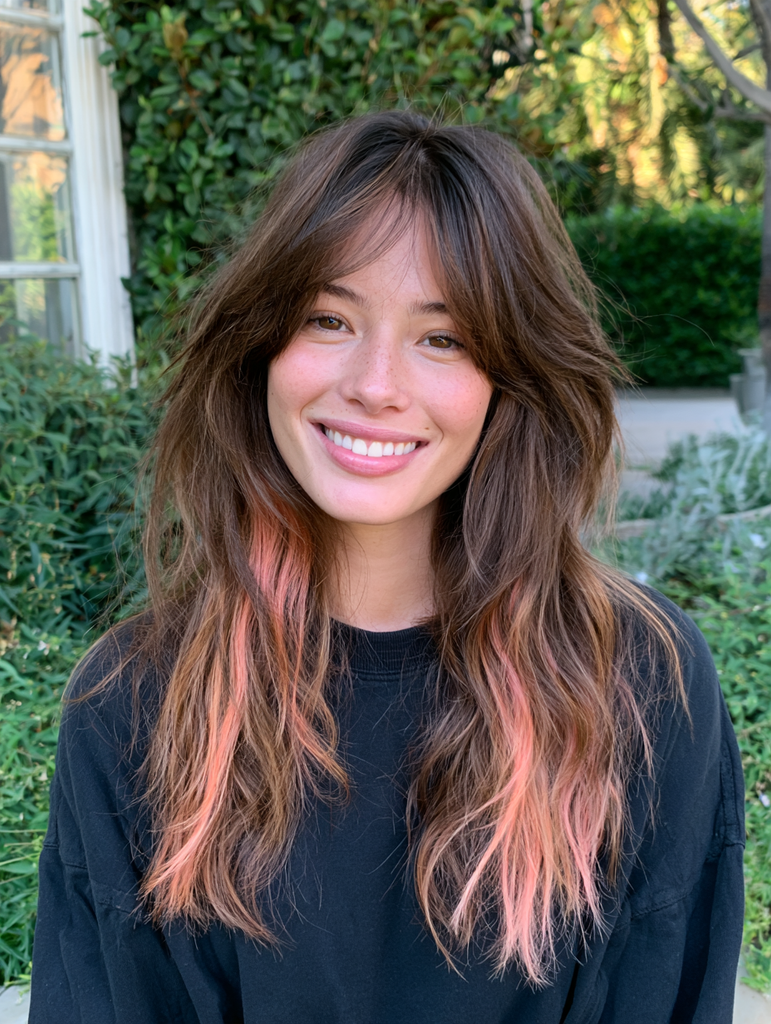
Blow-dry the front layers away from the face with a round brush for a polished effect. Add loose waves through the remaining hair to emphasize the different lengths. Finish with lightweight texture spray for separation and natural-looking movement.
Wolf Cut with Curtain Bangs
Curtain bangs complement the layered structure of a wolf cut by creating a soft opening around the forehead. The fringe gradually blends into the shorter layers near the cheeks.

Create a center part while the hair is damp and direct each side outward with a round brush. Apply mousse to the remaining layers and scrunch gently. Finish with flexible texture spray to keep the style defined without making it feel stiff.
Short Wolf Cut with Choppy Layers
A short wolf cut creates a compact silhouette with noticeable texture through the crown and sides. Choppy layers make the haircut feel bold while keeping the overall length manageable.

Apply texturizing mousse to damp hair and lift the crown with your fingers while drying. Once completely dry, define selected ends with a small amount of matte styling paste. Keep the pieces separated to emphasize the deliberately textured finish.
Wavy Wolf Cut with Soft Layers
Natural waves make a wolf cut look relaxed and effortlessly dimensional. Soft layers create movement around the crown and sides without producing an excessively dramatic contrast between lengths.

Apply lightweight wave cream to damp hair and scrunch upward. Diffuse around the crown while allowing the lower sections to dry naturally. Once dry, gently shake the roots and separate a few waves with your fingertips.
Curly Wolf Cut with Rounded Volume
Curly hair gives a wolf cut impressive volume and definition. Carefully placed layers allow the curls to spring upward while maintaining enough length around the sides and back.

Apply curl cream to damp hair and scrunch thoroughly. Use a diffuser on low heat, focusing on the crown before drying the longer sections. Once completely dry, gently lift the roots and separate individual curls around the face.
Wolf Cut with Wispy Bangs
Wispy bangs soften the stronger layered structure of a wolf cut. The lightweight fringe creates delicate framing around the eyes while allowing some forehead visibility.

Blow-dry the bangs gently using a small brush or allow them to follow their natural texture. Apply a lightweight styling cream through the layers and scrunch. Once dry, separate a few strands across the forehead to maintain an airy appearance.
Wolf Cut with Curtain Layers
Curtain layers provide a softer alternative to traditional bangs while maintaining the signature face-framing effect. The shorter pieces open around the forehead and gradually connect with the sides.

Use a round brush to direct the front layers outward while drying. Add loose waves through the remaining lengths or enhance your natural texture. A small amount of texture spray can emphasize the layered transitions without making them appear harsh.
Wolf Cut with Side Bangs
Side bangs create an elegant diagonal frame across the forehead and blend naturally into the layered sides of a wolf cut. The longer fringe can extend toward the cheekbone.

Create a deep or natural side part while the hair is damp. Direct the bangs toward one side and apply mousse through the remaining layers. Diffuse or blow-dry gently, then use your fingers to define selected pieces.
Feathered Wolf Cut with Soft Ends
Feathered ends create a gentler interpretation of the wolf cut. Instead of strongly choppy tips, the lower sections taper softly, allowing the hair to move naturally.

Blow-dry the shorter layers with a round brush and direct the ends slightly outward. Use lightweight styling cream through the lower sections to smooth the tips. Soft waves can further emphasize the feathered shape and create a flowing finish.
Wolf Cut with Voluminous Crown
A voluminous crown highlights one of the defining characteristics of the wolf cut. Shorter upper layers create lift while longer sections fall around the face and shoulders.

Apply root-lifting mousse before blow-drying the crown upward. Use a round brush for additional height, then gently loosen the roots with your fingers. Finish with flexible texture spray so the volume remains touchable and natural.
Wolf Cut with a Deep Side Part
A deep side part creates an asymmetrical version of the wolf cut. The heavier side sweeps across the forehead while the opposite side appears more compact.

Establish the part while the hair is damp and apply mousse around the roots. Blow-dry the heavier side upward and away from the scalp. Once dry, separate several textured pieces to highlight the asymmetrical shape.
Wolf Cut with Bottleneck Bangs
Bottleneck bangs create a gradual transition from shorter center pieces into longer sections around the temples. Their shape works especially well with the layered structure of a wolf cut.

Blow-dry the center section gently downward before directing the longer sides outward. Apply lightweight styling cream through the surrounding layers. Keep the ends separated to highlight the gradual transition between the fringe and face-framing pieces.
Wolf Cut with a 70s-Inspired Texture
A 70s-inspired wolf cut emphasizes feathered layers, rounded volume, and soft movement around the face. The longer lengths maintain a flowing appearance while the crown provides noticeable lift.

Use a round brush to create volume around the crown and direct the front layers away from the face. Add loose bends through the lengths. Finish with flexible hairspray to preserve the rounded shape without making the hair feel stiff.
Making the Layers Work for Your Texture
Start with damp hair and apply a lightweight mousse, texture cream, or styling gel according to your hair type. Concentrate product around the roots and mid-lengths before scrunching or lifting the layers.
For a smoother finish, use a round brush to shape the crown and face-framing sections. For natural waves and curls, use a diffuser on low heat. Once completely dry, separate individual layers with your fingers instead of brushing aggressively.
Finding the Right Wolf Cut for You
Wolf cuts can range from soft and blended to dramatic and heavily textured. Long versions preserve length, short versions create stronger crown volume, and medium cuts provide a balance between the two.
Your natural texture also influences the final result. Waves and curls naturally emphasize movement, while straight hair makes the layered structure more visible. Would you choose a soft feathered wolf cut, a dramatic choppy version, or a face-framing style with curtain bangs?
