Bangs for fine hair hairstyle ideas can add shape, personality, and visual fullness without requiring a dramatic haircut. The key is choosing a fringe that works with your natural density rather than removing too much hair from the front. Wispy bangs, curtain fringe, side-swept styles, and carefully shaped textured bangs can all create attractive movement while maintaining the appearance of fuller hair. With the right length and layering, bangs can also frame the eyes beautifully and give fine hair a more intentional, polished finish.
What Makes These Fringe Styles Work So Well
Fine hair often benefits from strategic cutting rather than excessive layering. A thoughtfully designed fringe can create the impression of greater density around the face while giving the haircut stronger structure and movement.
Another advantage is versatility. Bangs can change the appearance of a hairstyle without sacrificing much length, making them useful for bobs, lobs, shoulder-length cuts, and longer hairstyles. Choosing the appropriate thickness and shape can make everyday styling easier while helping fine strands appear more dimensional.
Wispy Bangs for Fine Straight Hair
Wispy bangs are one of the easiest fringe choices for fine hair because they use a lighter section across the forehead. Their delicate ends create movement without removing too much density from the rest of the hairstyle.
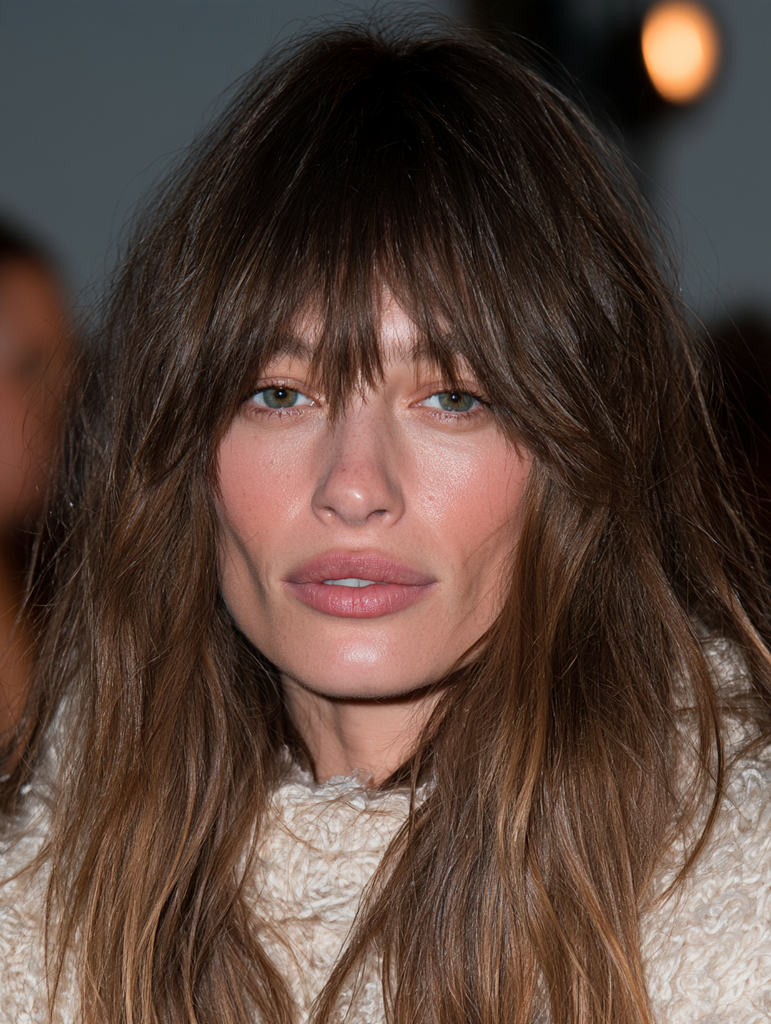
Keep the fringe slightly longer around the sides so it blends naturally into the haircut. Blow-dry with a small brush, directing the bangs forward before gently separating the ends. A lightweight styling cream can control flyaways while preserving the airy texture.
Side-Swept Bangs with a Layered Bob
Side-swept bangs can make a fine-haired bob appear fuller by creating diagonal movement across the forehead. The direction of the fringe also adds visual interest without requiring heavy layering throughout the haircut.

Ask for subtle layers that maintain enough weight around the bob’s perimeter. During styling, blow-dry the bangs away from the face using a round brush. Finish with flexible hairspray rather than heavy wax, allowing the fringe to retain movement and blend naturally with the surrounding layers.
Curtain Bangs for Fine Hair
Curtain bangs offer a soft way to introduce fringe while keeping the center of the forehead partially visible. The parted design creates face-framing movement and allows fine hair to retain a lightweight appearance.

For the best result, keep the shortest section around the cheekbone area and gradually lengthen the outer pieces. Blow-dry each side away from the face with a round brush. A small amount of volumizing mousse at the roots can help maintain lift without creating stiffness.
Light Feathered Bangs with Shoulder-Length Hair
Light feathered bangs create softness around the face while allowing shoulder-length hair to maintain its natural flow. Their tapered ends prevent the fringe from appearing too heavy, which is especially useful when working with delicate strands.

Blend the bangs gradually into face-framing layers so there is no harsh transition. Use a small round brush while blow-drying to encourage gentle movement. Finish with a lightweight texture spray through the lengths, avoiding excessive product near the roots.
Soft Blunt Bangs for Fine Hair
Soft blunt bangs can create the appearance of stronger density when the fringe is kept relatively full and carefully shaped. Unlike extremely wispy styles, this approach provides a defined horizontal line while still allowing the ends to remain slightly softened.

Keep the rest of the haircut simple to prevent the fine strands from appearing overly layered. Blow-dry the bangs downward with a flat brush, then use a tiny amount of smoothing cream to keep the line polished without flattening the hair.
Long Side Bangs with a Lob
Long side bangs pair beautifully with a lob because they create movement while leaving plenty of hair around the face. The extended fringe can be tucked behind the ear or swept across the forehead whenever you want a different appearance.

Ask your stylist to blend the fringe into the front layers rather than creating a disconnected section. Use volumizing mousse near the roots before blow-drying. Direct the bangs sideways and slightly upward to encourage lift and prevent them from sitting too flat.
Textured Fringe with a Short Bob
A short bob can gain personality from a lightly textured fringe that creates separation without sacrificing too much fullness. The textured ends give fine hair a contemporary finish while maintaining a relatively substantial shape near the roots.

Use a lightweight styling paste sparingly through the fringe after drying. Concentrate the product on the ends rather than the roots, where buildup can quickly flatten fine strands. Keeping the bob’s perimeter relatively full helps balance the textured appearance across the forehead.
Brow-Grazing Bangs with Long Layers
Brow-grazing bangs create a polished frame around the eyes while allowing long layers to preserve the overall length of fine hair. Their moderate length feels sophisticated without making the fringe appear excessively heavy.

Keep the long layers subtle so the ends retain enough visual density. Blow-dry the bangs straight across with a small brush, then softly curve the outer edges. A lightweight shine spray can enhance smoothness while keeping the rest of the hair looking naturally fluid.
Airy Curtain Fringe with a Layered Lob
An airy curtain fringe provides softness and movement without creating a dense block of hair across the forehead. The center opening allows the strands to separate naturally while the longer sides blend into a layered lob.

This style works particularly well when you want bangs that can grow out gracefully. Apply mousse near the roots and blow-dry each side outward. Use your fingers afterward to separate the pieces gently, maintaining volume without making the fringe appear overly styled.
Piecey Bangs for Fine Wavy Hair
Piecey bangs complement fine wavy hair by allowing the natural texture to become part of the fringe. Instead of forcing the strands completely straight, the haircut uses small sections to create soft separation across the forehead.

Apply a lightweight curl or wave cream to damp hair and gently arrange the fringe with your fingertips. Let the strands air-dry or use a diffuser on low heat. Once dry, avoid excessive brushing so the natural waves maintain their definition.
Side-Parted Wispy Fringe
A side-parted wispy fringe creates diagonal movement that can make fine hair appear more dynamic. The longer outer section blends smoothly into the haircut, while the shorter inner pieces gently frame the eye.

This style is especially convenient when you do not want a high-maintenance fringe. Blow-dry the bangs toward one side using a small round brush, then finish with flexible spray. The lightweight structure allows you to reposition the fringe easily throughout the day.
Micro Bangs with a Textured Pixie
Micro bangs can give a fine-haired pixie a striking modern appearance while keeping the majority of the haircut short and manageable. The compact fringe exposes more of the forehead, creating a distinctive visual frame around the eyes.

Because the bangs are intentionally short, precision matters. Keep the surrounding pixie softly textured rather than excessively layered. Use a tiny amount of matte styling paste on the ends to define the texture without weighing down the delicate strands.
Long Wispy Bangs with a Shaggy Cut
Long wispy bangs blend naturally into a shaggy haircut, making them an excellent choice when you want movement without a heavy fringe. The extended pieces create softness around the eyes while connecting with the shorter layers around the face.

Use a lightweight texture spray through the crown and lengths after drying. Scrunch the hair gently to encourage separation, then arrange the fringe with your fingers. Keeping the roots lifted helps the entire haircut appear fuller without relying on excessive product.
Curved Bangs with a Chin-Length Bob
Curved bangs create a softly rounded frame that works beautifully with a chin-length bob. The fringe remains fuller through the center while gently lengthening toward the temples, creating a seamless transition into the sides.

This shape gives fine hair a polished appearance without requiring numerous layers. Blow-dry the bangs with a small round brush, following their natural curve. Keep the bob’s ends relatively clean and substantial so the haircut maintains a balanced silhouette from front to back.
Feathered Side Bangs with Long Straight Hair
Feathered side bangs can add movement to long straight hair without dramatically reducing its overall density. The fringe begins softly near the forehead and gradually becomes longer as it blends into the surrounding lengths.

For styling, apply a small amount of volumizing mousse near the roots and blow-dry the fringe away from the face. Use a round brush to create a gentle curve through the ends. Finish with light hairspray so the feathering stays flexible and touchable.
How to Style Bangs When Your Hair Is Fine
Fine hair usually responds best to lightweight styling products that create lift without adding unnecessary weight. Begin with volumizing mousse or root spray near the fringe and crown, then blow-dry the bangs according to their intended direction.
A small round brush can create lift and curvature, while a flat brush works well for sleek, straight finishes. Avoid applying oils, heavy creams, or thick wax directly to the roots because these products can make fine strands look flatter and less substantial.
Dry shampoo can also help refresh the fringe between washes, especially when the forehead area becomes oily quickly. Apply a small amount at the roots and gently work it through with your fingertips rather than brushing aggressively.
Choosing Bangs That Complement Fine Hair
The most flattering fringe depends on your hair density, natural texture, face shape, and willingness to style it regularly. Fine hair does not automatically mean you must avoid full bangs, but the amount of hair removed from the surrounding area should be carefully considered.
If you want low maintenance, longer curtain or side-swept bangs can be particularly practical. If you prefer stronger definition, soft blunt or brow-grazing fringe can provide a more noticeable transformation. A professional stylist can adjust the thickness and length to preserve the appearance of fullness.
Give Fine Hair a More Defined Frame
Bangs can completely refresh fine hair without requiring a major change in overall length. From airy curtain fringe and feathered side bangs to polished brow-grazing styles, the right shape can add movement and create a stronger frame around the face.
The best result comes from working with your natural density rather than fighting it. Whether you want something subtle or noticeably transformative, which of these bangs for fine hair ideas would you consider trying first?
