Layered haircut hairstyle ideas are a versatile way to add movement, dimension, and shape without completely changing your preferred hair length. Strategic layers can create volume around the crown, soften the face, or remove excess weight from thicker hair.
From polished bobs and flowing long layers to textured shags and modern wolf cuts, there is a layered style for almost every hair type. Layers can also be subtle or dramatic depending on your personal preference. These ideas showcase different ways to make a layered haircut feel fresh, flattering, and easy to personalize.
The Lasting Appeal of a Well-Cut Layered Hairstyle
Layered haircuts remain popular because they can be customized to work with different lengths, textures, and densities. Instead of giving every strand the same length, layering creates a more dynamic shape that moves naturally.
The technique can also solve different styling needs. Fine hair can benefit from carefully positioned layers that encourage movement, while thick hair can feel lighter with strategically distributed weight. Face-framing layers provide another option for creating softness around the features.
Long Layered Hair with Face-Framing Pieces
Long layered hair with face-framing pieces offers movement while preserving substantial length. The shortest layers can begin around the cheekbones or jaw before gradually blending into the longer sections.
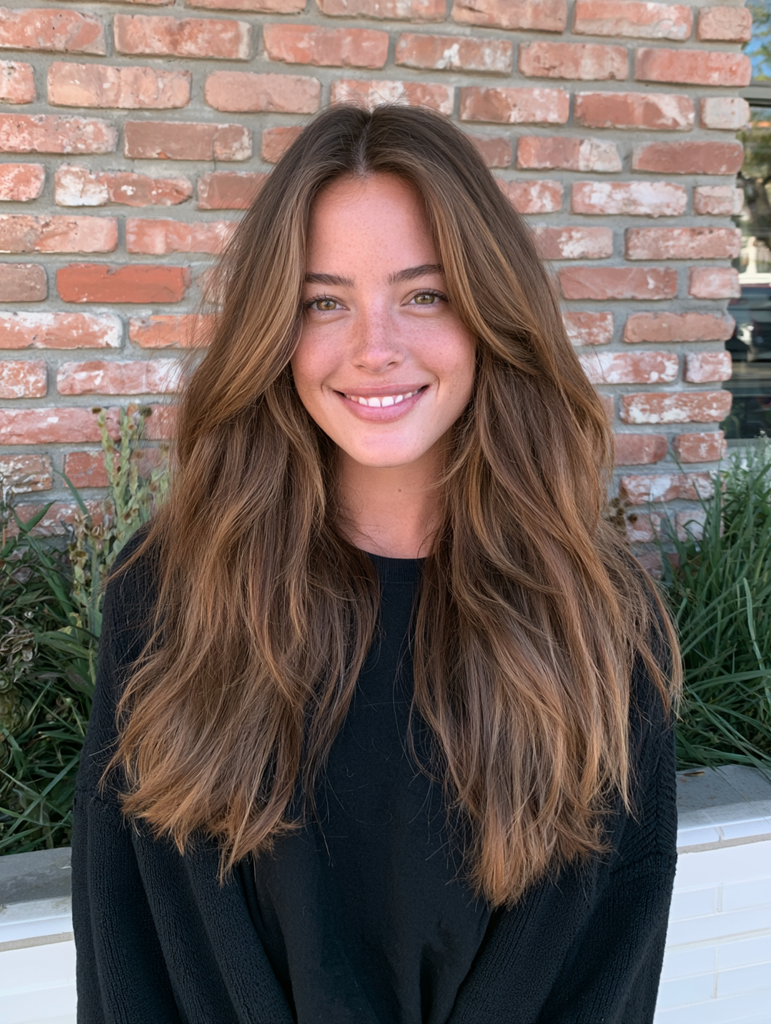
Use a round brush to direct the front pieces slightly away from the face. Add loose waves throughout the lengths for additional dimension, or keep the hair straight for a sleeker finish. A lightweight serum can smooth the ends while maintaining natural movement.
Layered Bob with Soft Texture
A layered bob combines the recognizable shape of a bob with subtle movement throughout the haircut. Soft layers around the crown and ends prevent the style from appearing overly rigid.

Blow-dry the roots with a round brush for gentle volume, then curve the ends slightly inward. A small amount of texturizing cream can separate selected pieces. This approach creates a polished haircut that still feels light and flexible.
Shoulder-Length Layered Hair
Shoulder-length layered hair offers a practical balance between length and movement. Carefully placed layers prevent the ends from looking heavy while creating dimension through the middle sections.

Apply lightweight mousse to damp hair and blow-dry with a round brush. Add subtle bends using a large curling iron if you want more texture. Finish by gently separating the waves with your fingers rather than brushing them completely smooth.
Layered Shag with Textured Ends
A layered shag creates a more noticeable texture through the crown, sides, and ends. Shorter upper layers provide volume while longer sections maintain enough length to frame the face and neck.

Apply texturizing mousse to damp hair and scrunch the layers. Naturally wavy hair can be diffused, while straight hair can benefit from texture spray. Keep the ends slightly separated to preserve the relaxed, lived-in quality of the haircut.
Butterfly Layered Haircut
Butterfly layers create dramatic movement around the face while allowing the majority of the hair to remain long. Shorter upper layers provide volume and gradually flow into longer sections underneath.

Use a large round brush to create lift and outward movement around the face. Once dry, gently brush through the layers to blend them. The result is especially striking with soft waves that emphasize the different lengths.
Layered Hair with Curtain Bangs
Curtain bangs blend naturally into layered hair because the fringe gradually becomes longer toward the sides. The open center creates a soft frame around the forehead while the layers continue through the lengths.

Blow-dry each side of the bangs away from the face with a round brush. Add loose waves through the remaining hair for a cohesive finish. A lightweight texture spray can emphasize the layers without making them feel stiff.
Layered Pixie Haircut
A layered pixie uses short pieces throughout the crown to create texture and lift. The sides can remain tapered while the top retains enough length for styling flexibility.

Apply volumizing mousse to damp hair and dry the crown upward using your fingers. Once dry, use a tiny amount of styling paste to define selected pieces. This creates a short haircut with plenty of movement without requiring extensive daily styling.
Layered Bixie Haircut
The bixie combines the compact shape of a pixie with the softer length of a bob. Layers help connect the shorter back with the longer front while creating volume around the crown.

Use mousse at the roots before blow-drying the hair in different directions. Sweep the front sections sideways or leave them slightly tousled. A lightweight styling cream can define the ends while preserving the haircut’s natural movement.
Long Layered Hair with Side Bangs
Side bangs create a diagonal frame that blends beautifully into long layers. The fringe can begin around the eyebrow and gradually merge into shorter sections near the cheekbone.

Blow-dry the bangs toward one side using a small round brush. Add soft waves through the lengths to emphasize the layered shape. Finish with flexible hairspray if you want the side-swept fringe to maintain its direction throughout the day.
Feathered Layered Haircut
Feathered layers create a soft, flowing finish by tapering the ends rather than leaving them completely blunt. This technique works particularly well when you want movement without an extremely choppy appearance.

Use a round brush to direct the layers away from the face while drying. Add subtle bends through the ends for a classic feathered finish. Lightweight smoothing cream can control flyaways while allowing the tapered sections to remain visible.
Layered Haircut for Fine Hair
Fine hair can benefit from strategically positioned layers that add movement without removing excessive density. Keep the perimeter relatively full while concentrating subtle layers around the crown and face.

Apply volumizing mousse to the roots before blow-drying with a round brush. Lift the crown gently to create additional body. Avoid heavy oils or excessive texturizing products because they can weigh down fine strands and reduce the appearance of volume.
Layered Haircut for Thick Hair
Thick hair can become easier to manage when layers distribute its natural weight. Internal layers can reduce heaviness while the outer shape remains full and polished.

Ask for controlled layering rather than aggressive thinning. Blow-dry with a paddle brush for a smoother finish or use a round brush to create movement. A lightweight smoothing serum can help keep the layers controlled and reduce flyaways.
Layered Wolf Cut
A layered wolf cut combines shorter crown layers with longer lengths, creating a distinctive silhouette full of texture. The shorter sections provide volume while the lower lengths maintain movement.

Apply texture spray to damp or dry hair and use your fingers to separate the different layers. Naturally wavy hair can be scrunched for definition, while straight hair can be given loose bends. Keep the ends soft for a more wearable interpretation.
Bringing Out the Shape of Your Layers
Start with a lightweight heat protectant before using a blow dryer, curling iron, or flat iron. For additional volume, apply mousse at the roots and use a round brush to lift the shorter layers.
If you prefer natural texture, use a wave cream or lightweight styling mousse and allow the layers to air-dry. Once the hair is dry, separate selected pieces with your fingers. Avoid excessive brushing because it can remove the definition that makes layered hair visually interesting.
Choosing the Right Layered Haircut
Layer placement can dramatically change the final shape. Long layers preserve length and create flowing movement, while shorter crown layers provide more volume. Face-framing layers add softness, and heavily textured cuts create a more noticeable modern effect.
Your hair density and natural texture should also guide the choice. Would you prefer a classic layered bob, flowing butterfly layers, a textured shag, or a modern wolf cut?
