Within the broader world of dreadlocks, two distinct styles have earned widespread recognition and dedicated followings: Sisterlocks and traditional locs. While both are forms of locked hair, they differ significantly in terms of installation technique, size, maintenance requirements, origin, and the kind of lifestyle they suit best. If you are considering starting a loc journey and are weighing your options, understanding the differences between Sisterlocks and traditional locs will help you make a more informed choice.
What Are Sisterlocks?
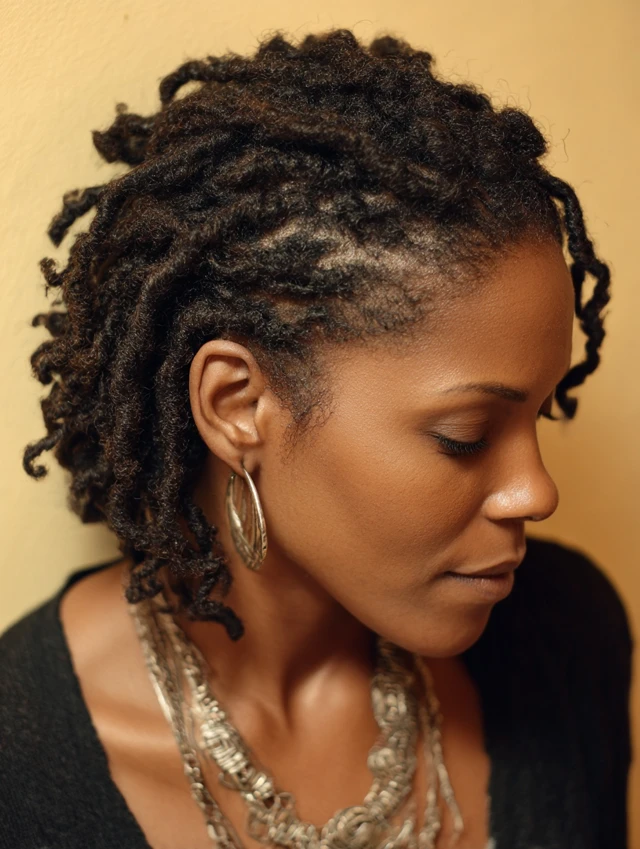
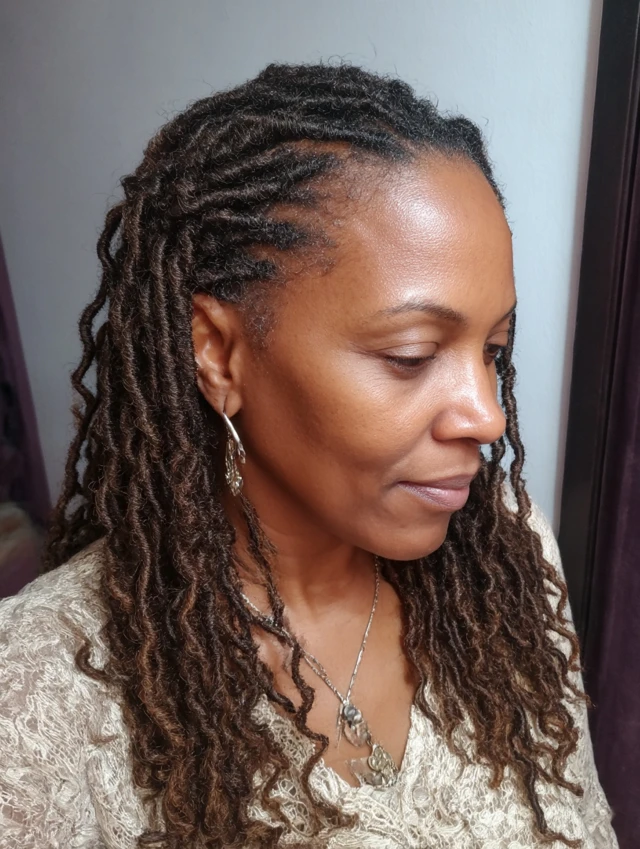
Sisterlocks are a proprietary locking system created by Dr. JoAnne Cornwell in 1993. They are characterized by their extremely small size — significantly smaller than most traditional locs — and are installed using a specialized interlocking tool and a specific grid pattern of parting. Because of their proprietary nature, Sisterlocks must be installed by a certified Sisterlock consultant who has been trained and licensed in the technique. The style was designed specifically to give people with natural hair a versatile, natural loc style that mimics the flexibility and styling range of loose natural hair.
1
2

3
4

What Are Traditional Locs?
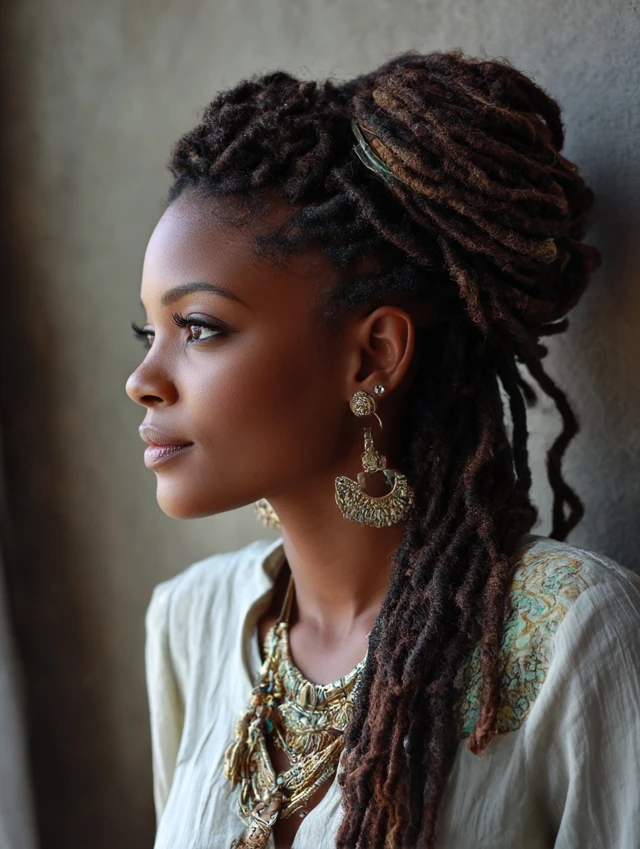
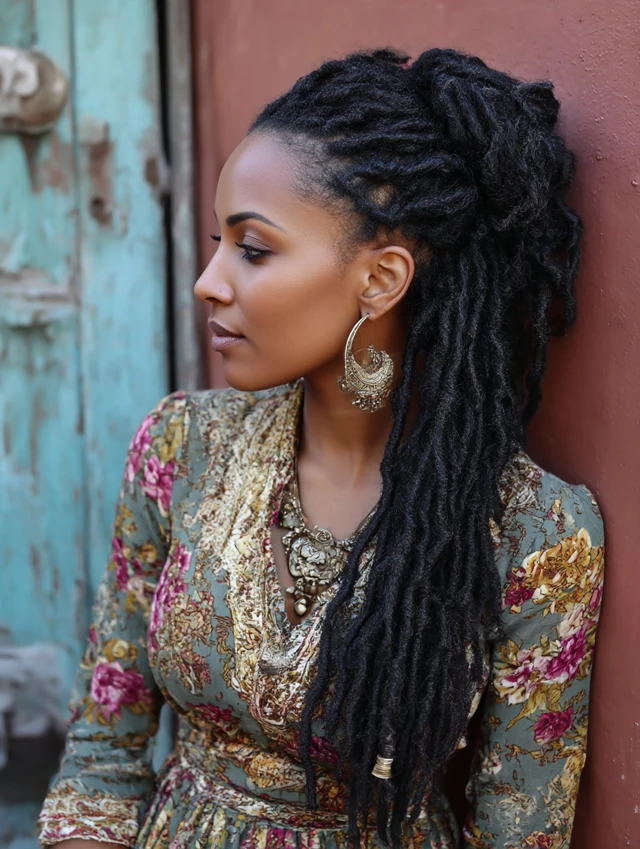
Traditional locs encompass a broad range of loc styles that are started using common methods such as comb coils, two-strand twists, palm rolling, or interlocking. They can vary dramatically in size, from very thin microlocs to very thick chunky locs, depending on the section size chosen at the start. Traditional locs do not require certification to install or maintain and can be started by any experienced braider, loctitian, or even the individual themselves. They are not proprietary and have no standardized installation protocol.
1

2
3
4

Key Differences in Installation
The installation process for Sisterlocks is highly precise and follows a strict methodology involving a specific grid pattern for parting and a specialized retightening tool. The installation of a full head of Sisterlocks can take anywhere from twelve to thirty-six hours spread across multiple appointments, depending on the density and length of the hair. Traditional locs, depending on the method chosen, typically take between two and eight hours for a full installation and do not require specialized tools or certification.
Differences in Appearance
Sisterlocks are extremely fine and delicate, resembling small, uniform ropes or yarn-like strands. Because of their small size, they move freely and can be styled in ways that larger traditional locs cannot — including updos that resemble loose natural styles, curling on flexi rods, and even straightening. Traditional locs are generally larger and have a bolder, more dramatic visual presence. The size variation in traditional locs also allows for significantly more customization in terms of the overall aesthetic of the finished style.
Differences in Maintenance
Sisterlocks require retightening every four to six weeks using the proprietary interlocking tool. This retightening must be done precisely to maintain the integrity of the grid pattern and prevent thinning or slippage. In the early stages, Sisterlocks are somewhat fragile and can unravel without proper care. Traditional locs are maintained through re-twisting, palm rolling, or interlocking depending on the method used, and are generally considered more forgiving in terms of the precision required during maintenance sessions.
Cost Differences
Sisterlocks are one of the most expensive loc styles to install and maintain. The initial installation can cost several hundred to over a thousand dollars depending on the consultant and the complexity of the job. Ongoing retightening appointments are also priced at a premium due to the specialized technique involved. Traditional locs, installed by a skilled loctitian, are typically significantly more affordable for both the initial installation and ongoing maintenance.
Final Thoughts
Sisterlocks and traditional locs are both beautiful, meaningful loc styles with very different profiles in terms of installation, maintenance, cost, and appearance. Sisterlocks offer fine, highly versatile locs with a polished, precise look but come with a higher price tag and more specific maintenance requirements. Traditional locs offer a broader range of sizes, aesthetics, and maintenance approaches at a generally lower cost. The right choice ultimately comes down to your personal style preferences, budget, and the level of maintenance commitment you are prepared to make.