Thin, fine hair can look beautifully full with the right cut, especially when shape, texture, and proportion work together. After 50, hairstyles can be both sophisticated and practical without sacrificing movement or personality. The best options usually preserve as much natural density as possible while adding strategic layers, flattering framing, or subtle volume.
From polished bobs to textured pixies, these hairstyles offer different ways to create dimension and easy styling. Whether your hair is straight, wavy, or lightly curly, the right silhouette can make fine strands appear more substantial while keeping everyday maintenance manageable.
What Keeps These Hairstyles Looking Beautiful Year After Year
Fine hair benefits from thoughtful cutting rather than excessive layering or aggressive thinning. Strong perimeters, controlled graduation, soft texture, and strategic volume can create the appearance of greater fullness. For women over 50, these details also make it easier to maintain a refined shape between salon appointments.
The following ideas combine modern silhouettes with practical styling techniques. They can be adapted to different face shapes, hair densities, lengths, and personal preferences, making them suitable for both everyday wear and more polished occasions.
Blunt Chin-Length Bob with a Deep Side Part
A blunt chin-length bob creates a strong perimeter that helps fine strands look denser through the ends. The deep side part adds instant height around the crown while introducing an elegant asymmetrical shape.
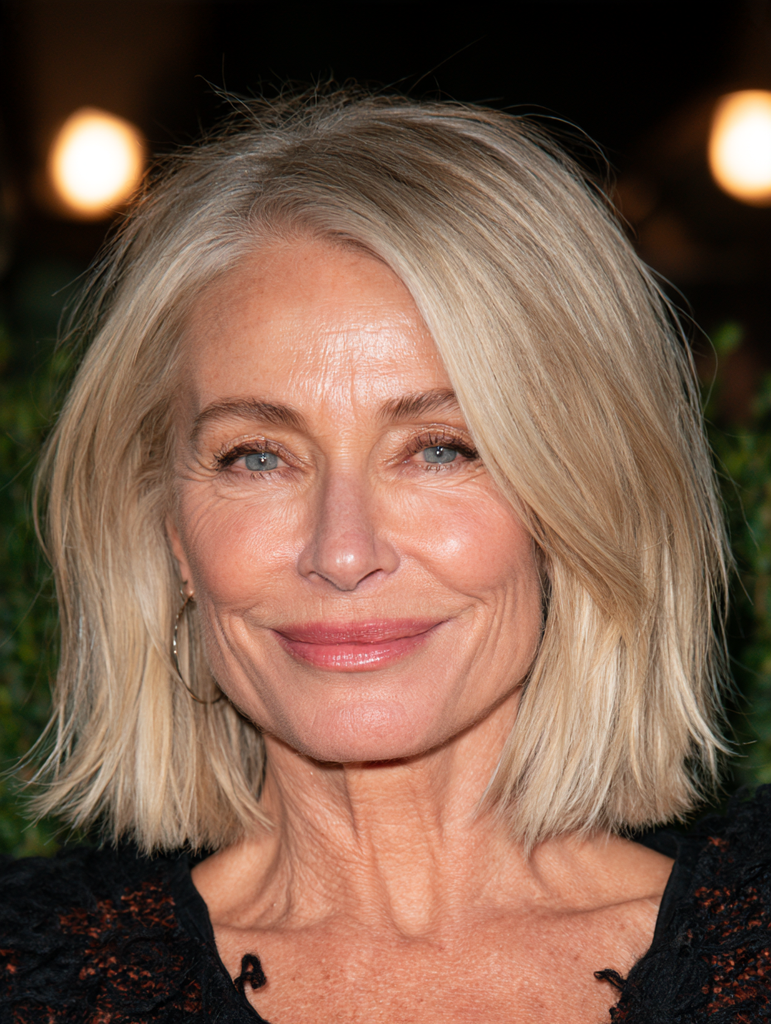
For extra body, blow-dry the roots upward and use a lightweight volumizing mousse rather than heavy creams. A slight bend through the ends keeps the cut modern, while the clean perimeter maintains its sophisticated structure without requiring complicated styling.
Layered Pixie with Crown Volume
A layered pixie can make thin fine hair appear fuller by concentrating movement around the crown. Shorter sides keep the silhouette neat, while slightly longer top layers provide enough length for texture and directional styling.

Work a small amount of lightweight styling paste through the crown after drying. Lifting individual sections with your fingers creates separation without making the hair appear overly piecey. This option is especially practical when you want a polished hairstyle that takes only minutes to style.
Soft Neck-Length Bob with Side-Swept Bangs
A neck-length bob offers enough length for versatility while keeping the ends visually substantial. Side-swept bangs introduce gentle movement across the forehead and can blend naturally into the surrounding shape.

Keep the layering restrained so the fine texture retains its visual weight. A round brush can create subtle fullness at the roots, while turning the ends slightly inward gives the haircut a smooth, finished appearance. This style works particularly well for someone wanting sophistication without a severe, overly geometric finish.
Textured Bixie with a Feathered Fringe
The bixie combines the convenience of a pixie with the softer length of a bob. Its carefully placed layers give fine hair movement without removing too much density from the perimeter.

A feathered fringe makes the style feel lighter around the face while maintaining enough texture for easy styling. Apply volumizing foam before drying, then use your fingertips to lift the crown. The result feels contemporary and relaxed while still looking refined enough for professional settings or special occasions.
Rounded Bob with Subtle Crown Layers
A rounded bob creates a softly curved silhouette that can give fine hair a naturally fuller appearance. Gentle crown layers provide lift without creating excessive separation between strands.

The shape works particularly well when the ends remain relatively full and controlled. Blow-drying with a medium round brush can enhance the rounded structure, while a lightweight finishing spray helps preserve movement. A side or slightly off-center part can also add dimension without dramatically changing the overall appearance.
Short Feathered Crop with Long Side Fringe
A short feathered crop adds movement through carefully tapered sections while leaving enough length on top for styling flexibility. The longer side fringe creates softness around the face and prevents the haircut from feeling too severe.

For everyday styling, direct the fringe diagonally across the forehead and lift the crown with your fingers. A small amount of texturizing cream can define the feathered sections without weighing them down. This cut is especially useful when you want a lightweight style that still feels feminine and polished.
Collarbone Lob with Face-Framing Layers
A collarbone lob provides more styling possibilities while retaining a clean shape around fine hair. Subtle face-framing layers begin around the cheekbones or jaw and gradually blend toward the ends.

Avoid excessive layering through the lower lengths because it can make fine hair appear thinner. Instead, maintain a strong foundation and use soft waves for added dimension. A side part or curtain-style front section can further create movement while keeping the overall silhouette elegant and contemporary.
Graduated Bob with a Fuller Nape
A softly graduated bob builds visual fullness at the back by stacking shorter sections beneath slightly longer outer layers. This structure can make fine hair appear more substantial without relying on heavy styling products.

The shorter nape also keeps the haircut tidy and easy to maintain. Use a round brush to lift the back while drying, then smooth the surface lightly. Keeping the front slightly longer creates a graceful transition that frames the face without overwhelming delicate hair.
Side-Parted Pixie with Textured Crown
A side-parted pixie gives fine hair an opportunity to look fuller through controlled directional styling. The defined part creates structure, while textured crown layers provide height and movement above the head.

Keep the sides relatively close to the head so the crown remains the visual focus. A lightweight root-lifting spray can provide additional support without stiffness. This haircut also offers flexibility because the top can be brushed sleekly for a refined appearance or tousled for a more relaxed finish.
Soft Shaggy Bob with Wispy Layers
A soft shaggy bob introduces movement without relying on dramatically choppy layers. Wispy sections around the face create texture while a fuller lower perimeter prevents the hairstyle from appearing sparse.

The cut looks particularly attractive with naturally wavy or slightly textured hair, although straight hair can be styled into gentle bends. Use a lightweight mousse and scrunch the ends while drying. The result has an easy, youthful energy while remaining sophisticated enough for everyday wear.
Silver Textured Pixie with Lifted Top
A textured silver pixie can beautifully showcase natural gray while giving fine hair a defined and dimensional silhouette. Slightly longer pieces through the top create height, while tapered sides keep the overall shape clean.

Enhance the natural color by keeping the styling simple rather than covering the texture with heavy products. A lightweight styling wax can separate the top layers and emphasize their movement. The finished look feels confident, modern, and particularly easy to refresh between washes.
Soft A-Line Bob with Face-Framing Pieces
A softly angled A-line bob keeps the back slightly shorter while allowing the front to extend toward the jaw or collarbone. This shape creates directional movement and gives fine hair a structured appearance.

Face-framing pieces can be kept subtle so they blend naturally into the longer front. Styling the ends with a slight inward curve enhances the shape without making it look overly formal. It is an excellent option for someone who wants a classic haircut with a contemporary proportion.
Choosing a Cut That Supports Your Hair’s Natural Density
Start with lightweight products designed for volume rather than rich oils, heavy conditioners, or thick creams that can flatten fine strands. Apply mousse or root-lifting spray mainly near the roots, then dry the hair while directing air upward for additional lift.
The haircut itself should do most of the work. Avoid excessive thinning, because removing too much internal density can make fine hair look even more delicate. Regular trims help maintain the perimeter, while changing your part occasionally can provide an easy boost of volume.
A More Confident Approach to Fine-Hair Styling
The most flattering hairstyle for thin fine hair over 50 is not necessarily the shortest or most layered option. What matters is how the cut works with your natural density, texture, face shape, lifestyle, and preferred level of maintenance.
A strong bob can provide structure, while a pixie can create texture and lift with very little effort. Longer lobs offer styling flexibility when you prefer additional length. Which of these hairstyles would best fit your everyday routine and personal style?
